

Types of Phlows
Phlows adapt to each concept’s thinking style, supporting natural reasoning, flow, and lasting mastery.
Why different types?
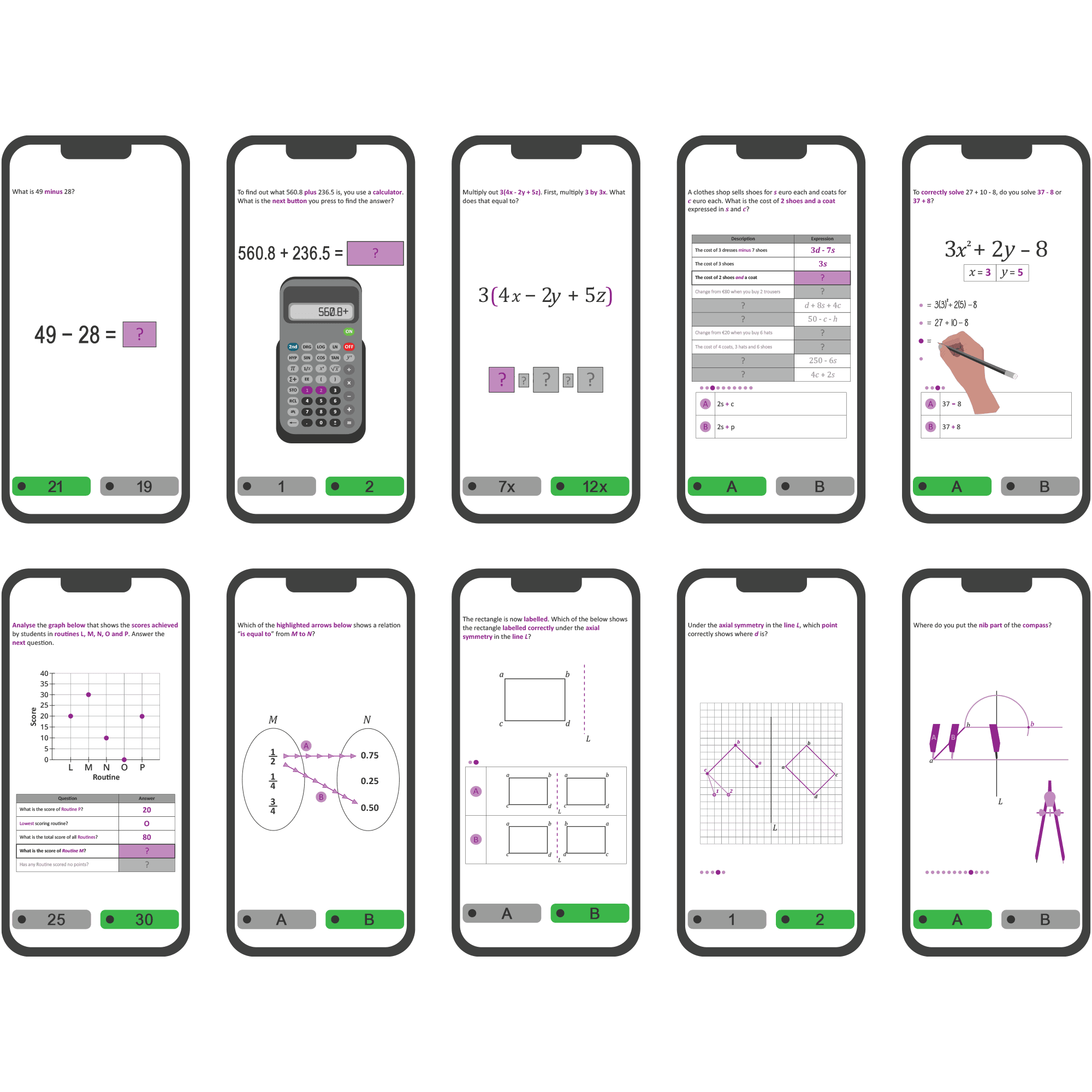
Phlows are not a single interaction pattern repeated across topics. They are deliberately structured learning units, designed to match the nature of the mathematical thinking required. Some ideas are best learned through a single decision. Others require sequencing, visual interpretation, construction, or pattern recognition.
This page outlines the main structural types of Phlows used within Phlow Academy. Each type reflects a different way of thinking, allowing concepts to be learned in a form that feels natural rather than forced.
Single-Step Decision Phlows
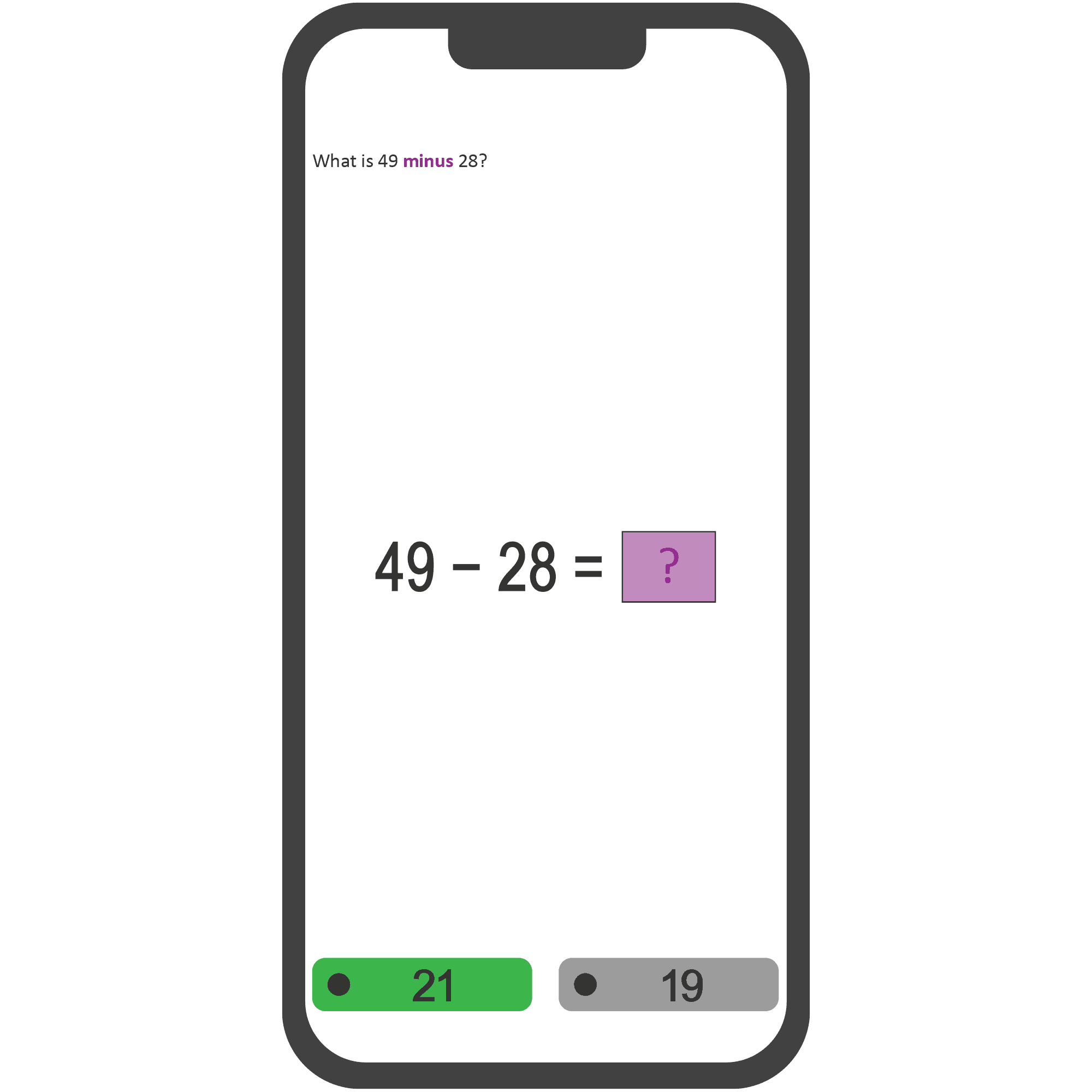
Some concepts benefit from absolute clarity. Single-step decision Phlows present one question and require one decision. The student focuses entirely on recognising or recalling the concept without distraction from intermediate steps or extended working.
These Phlows are especially effective for introducing ideas, building early confidence, and reinforcing foundational understanding. By keeping the cognitive demand of each decision very small, the student experiences momentum rather than friction.
Sequential (Step-by-Step) Phlows
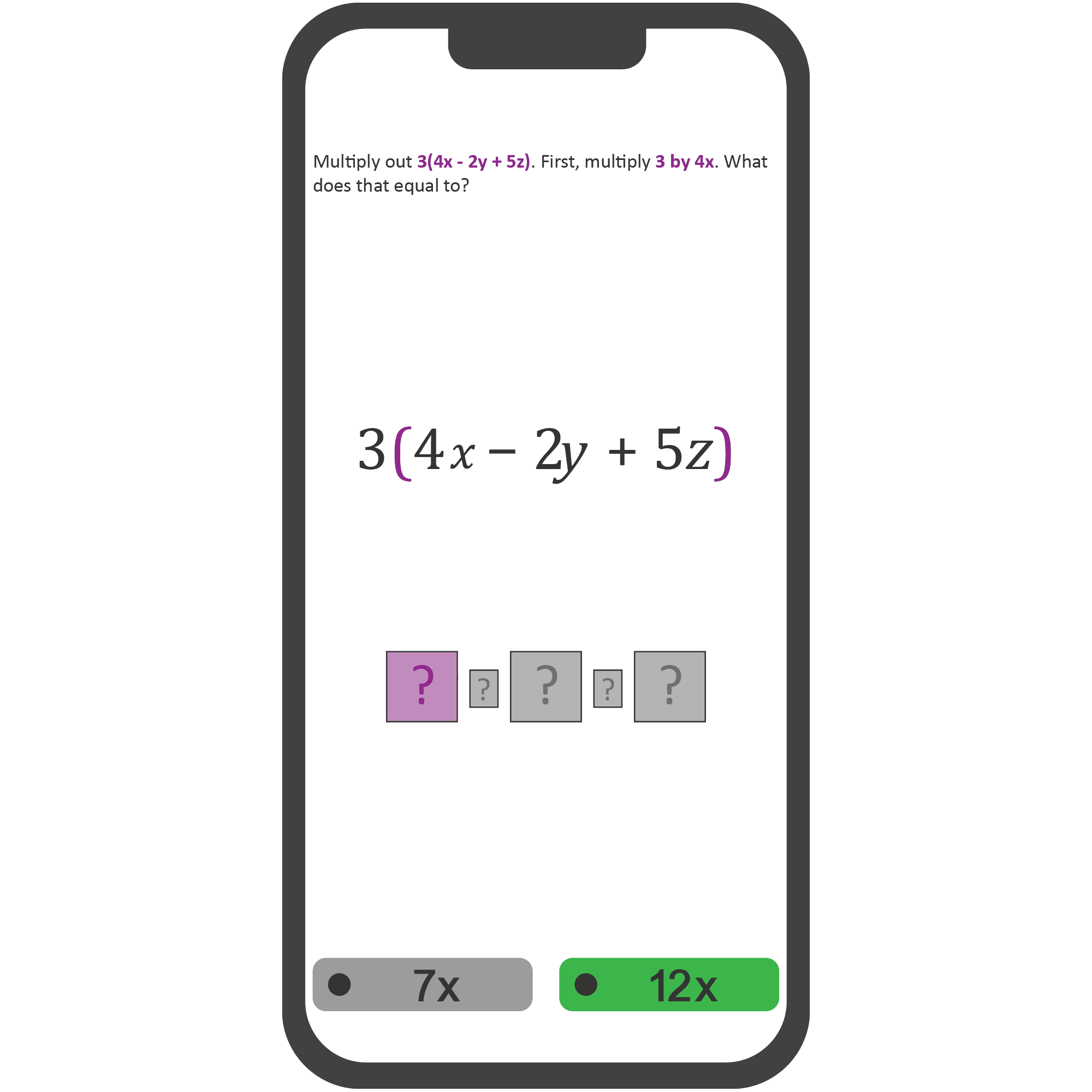
Many mathematical ideas are inherently procedural. Sequential Phlows break these ideas into a clear, ordered series of decisions, where each step builds directly on the previous one.
The student is never asked to “solve the whole problem” in one go. Instead, attention is guided step-by-step, reducing overload and preventing small misunderstandings from compounding into failure. This structure is particularly effective for algebra, multi-stage calculations, and method-based problems.
Non-Linear Concept Exploration Phlows
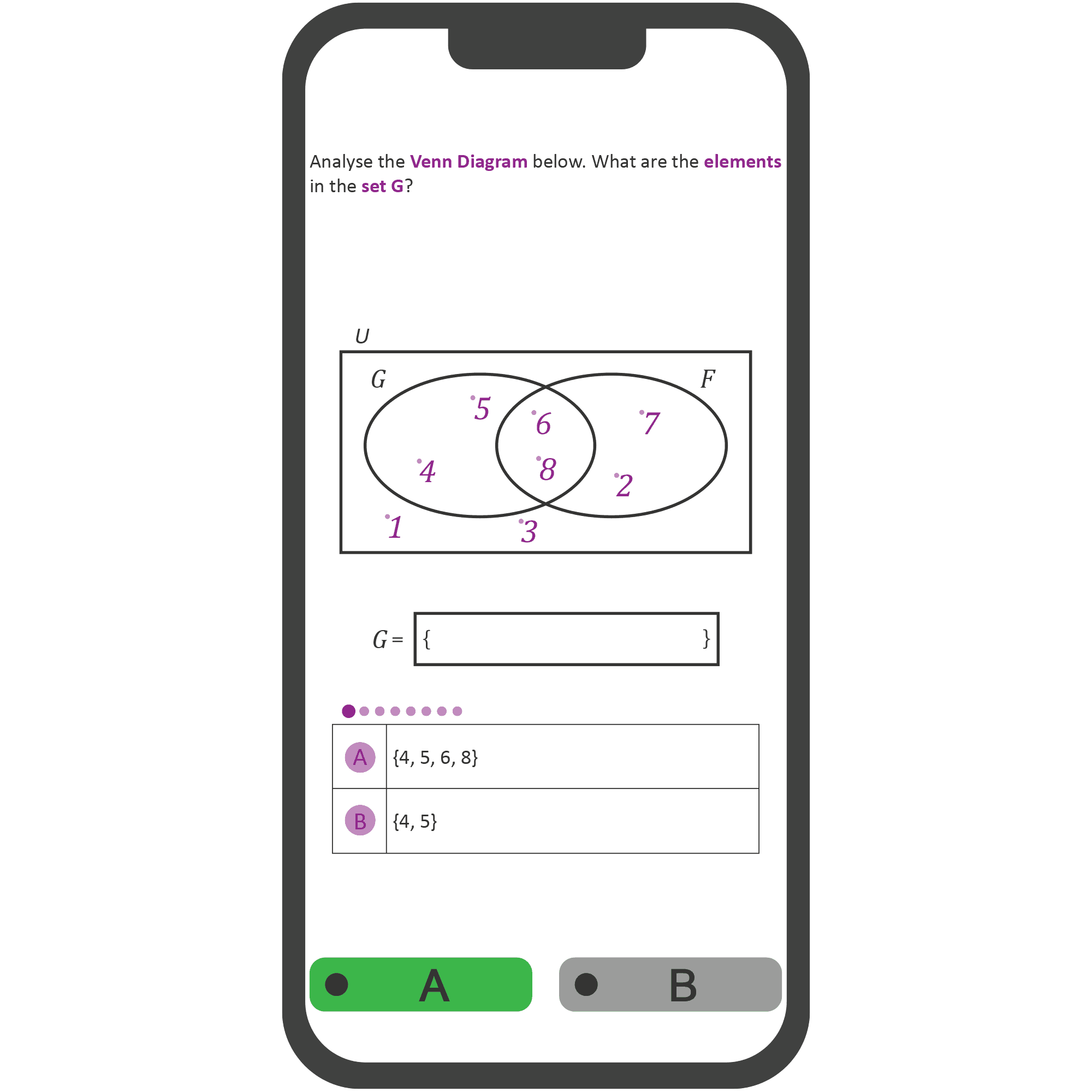
Not all understanding develops in a straight line. Some concepts are better explored as a set of related ideas rather than a fixed sequence. In non-linear Phlows, students answer multiple connected questions where order does not matter.
This structure encourages flexible thinking and helps students build a mental map of how ideas relate to one another. It is commonly used for concepts such as sets, relations, and visual classifications, where understanding emerges through comparison rather than procedure.
Calculator-Integrated Phlows
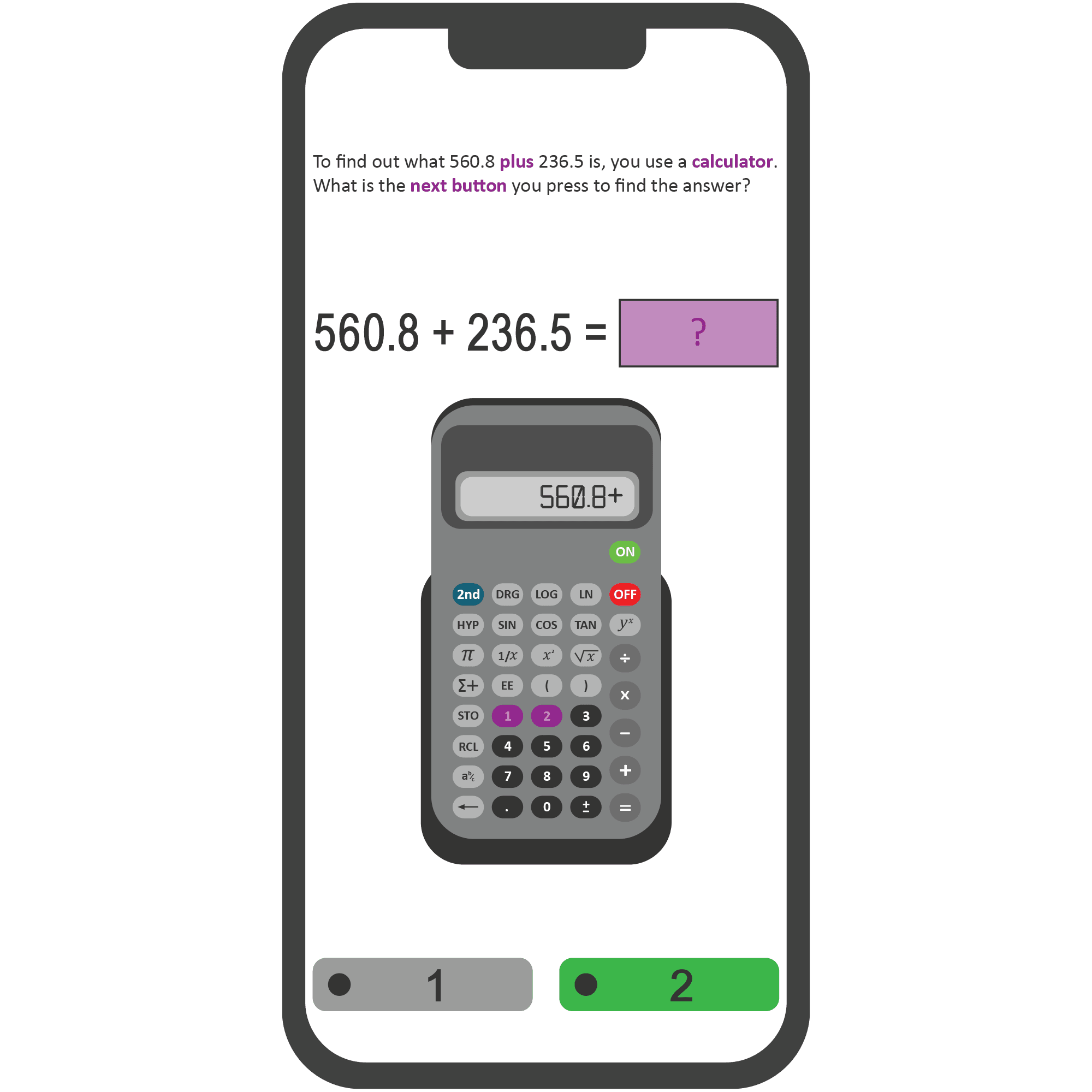
In many real assessment contexts, the challenge is not computation but decision-making. Calculator-integrated Phlows focus on understanding what to do next rather than carrying out arithmetic manually.
Students interact with a simulated calculator on screen, selecting operations and inputs as they would in an exam. This supports exam technique, numerical fluency, and confidence with tools, without increasing unnecessary cognitive load.
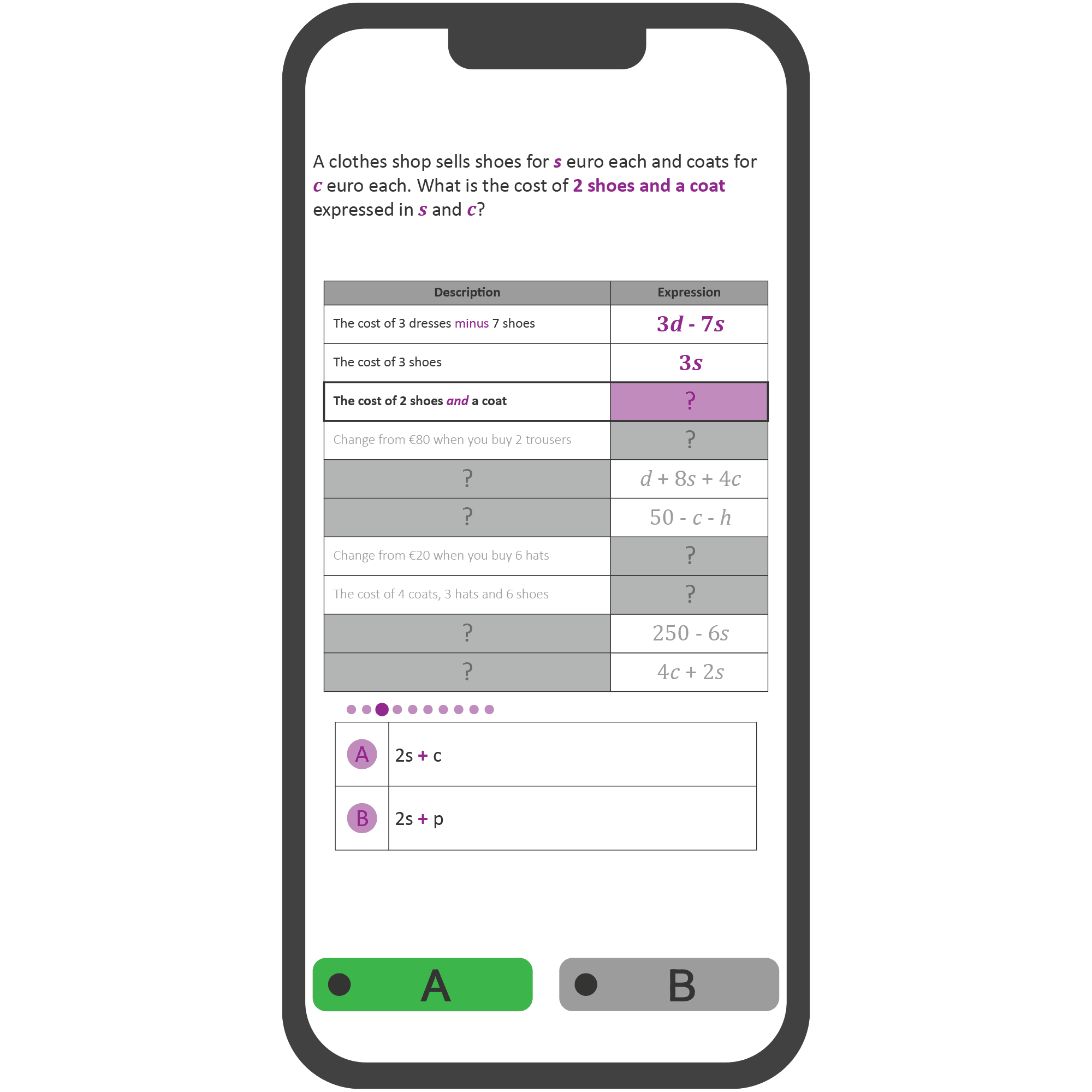
Table-Based Phlows
Tables provide a powerful structure for organising information, and table-based Phlows use this to encourage careful reasoning. Students move between descriptions, values, and expressions, completing missing entries while maintaining consistency across the table.
These Phlows are particularly effective for modelling real-world situations, translating between representations, and reinforcing algebraic structure. The table itself acts as a cognitive scaffold, reducing guesswork and supporting deliberate thinking.
Substitution & Transformation Phlows
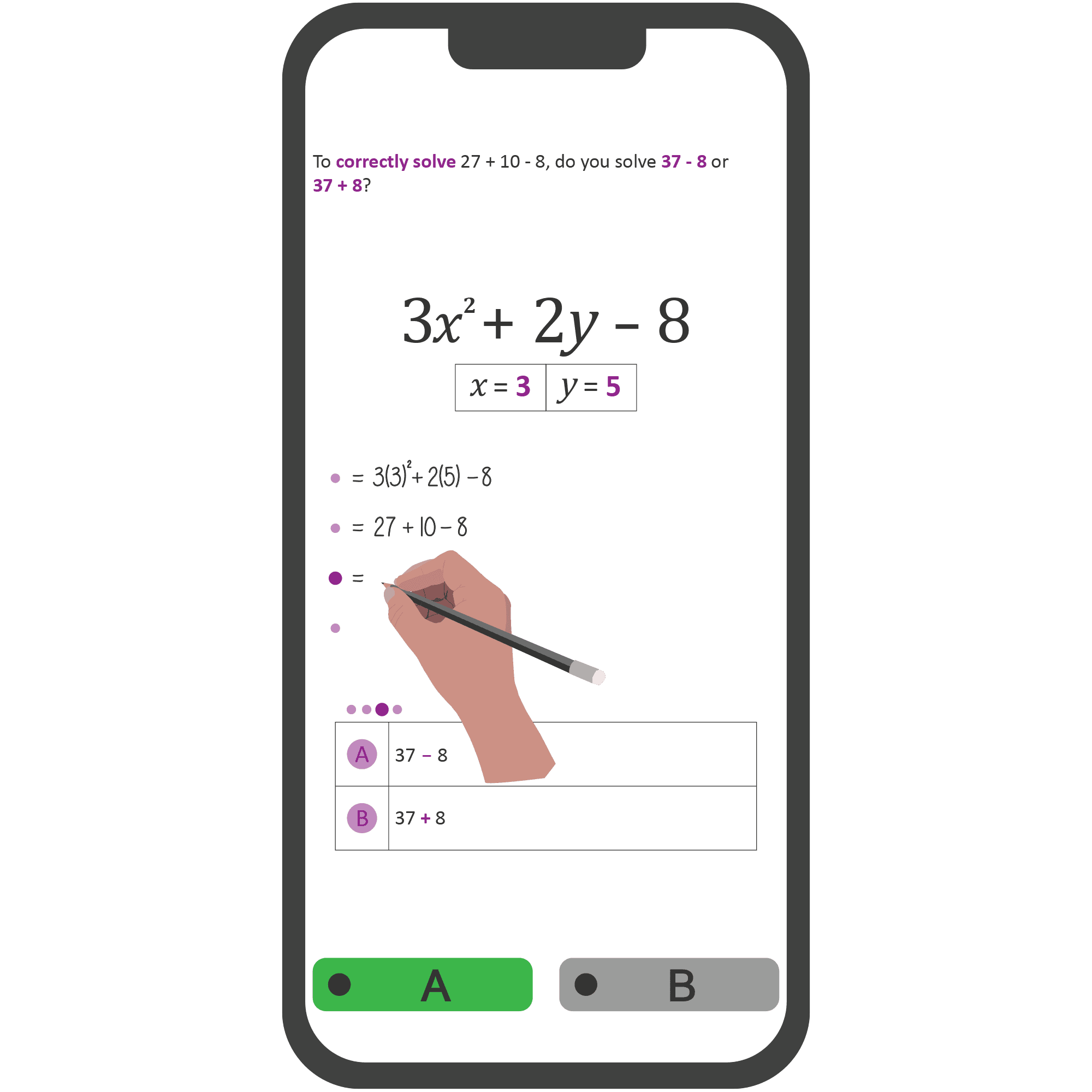
Substitution and transformation Phlows focus on how expressions change when values are introduced or manipulated. Rather than jumping straight to an answer, students are guided to recognise which parts of an expression are affected and how structure is preserved.
This helps students avoid common symbolic errors and builds confidence in working with algebraic forms. Visual emphasis supports clarity, ensuring students see why each transformation occurs.
Graph Interpretation & Data Phlows
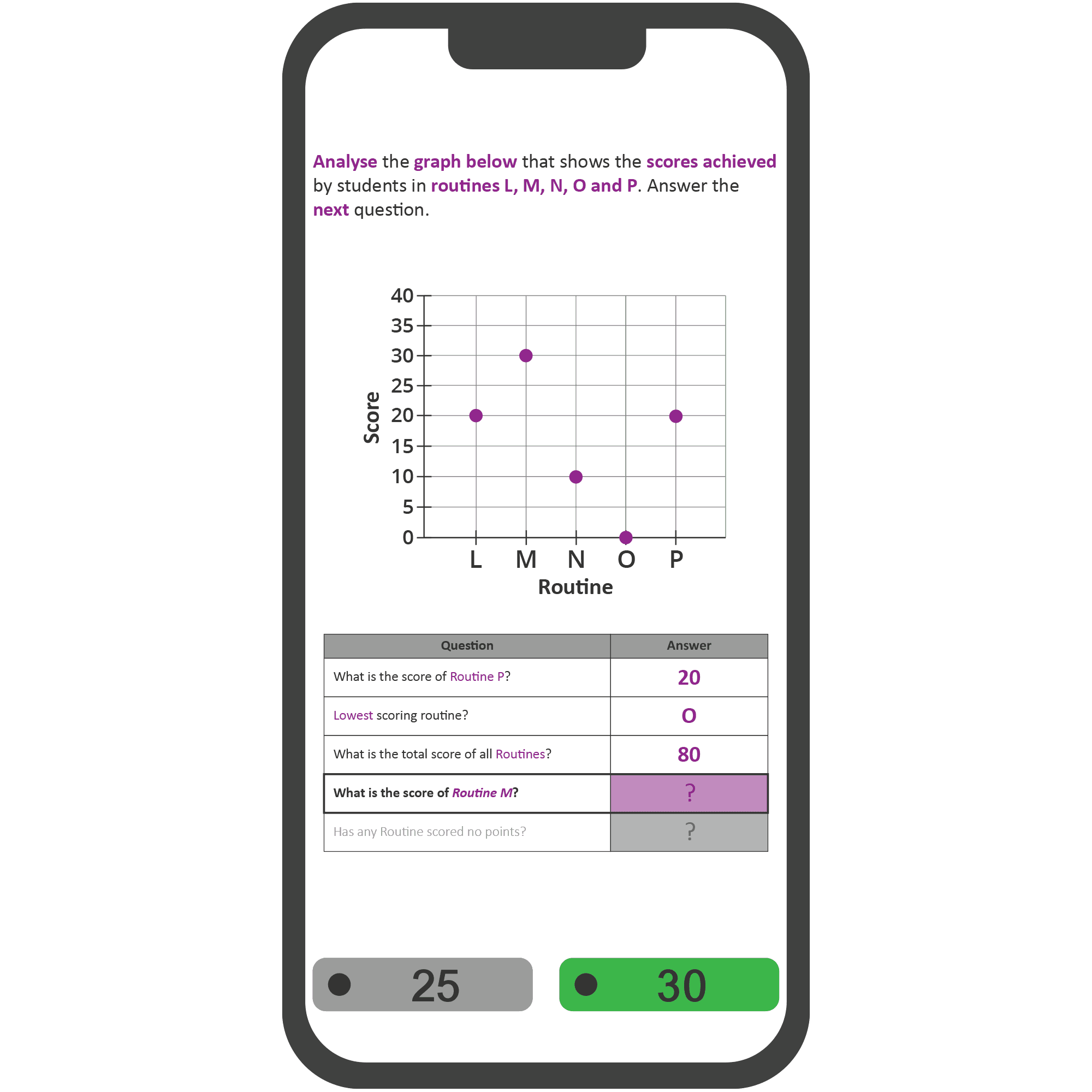
Graphs and charts require a different kind of literacy: careful reading, interpretation, and comparison. In these Phlows, students answer multiple questions based on a single visual dataset.
Rather than treating graphs as decoration, the Phlow structure encourages deliberate analysis of axes, scales, and trends. This builds confidence in data handling and reduces impulsive or surface-level reading.
Geometry & Construction Phlows
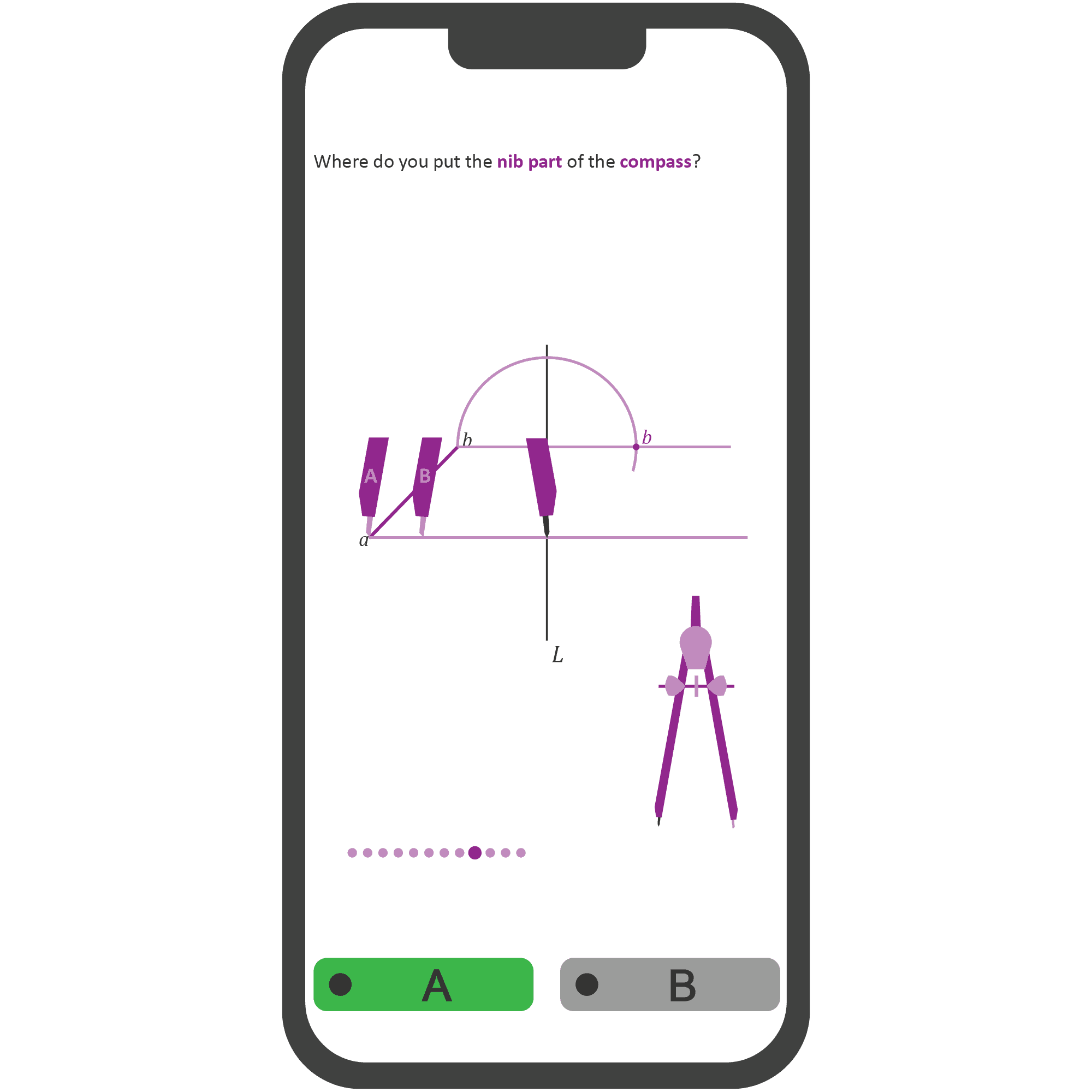
Some mathematical understanding is fundamentally spatial. Geometry and construction Phlows focus on shapes, symmetry, transformations, and constructions using tools such as a compass or protractor.
These Phlows develop visual accuracy and spatial reasoning, closely mirroring the thinking required in written exams. The emphasis is on interpreting diagrams, recognising constraints, and understanding geometric relationships rather than performing calculations alone.
Counting Money Phlows
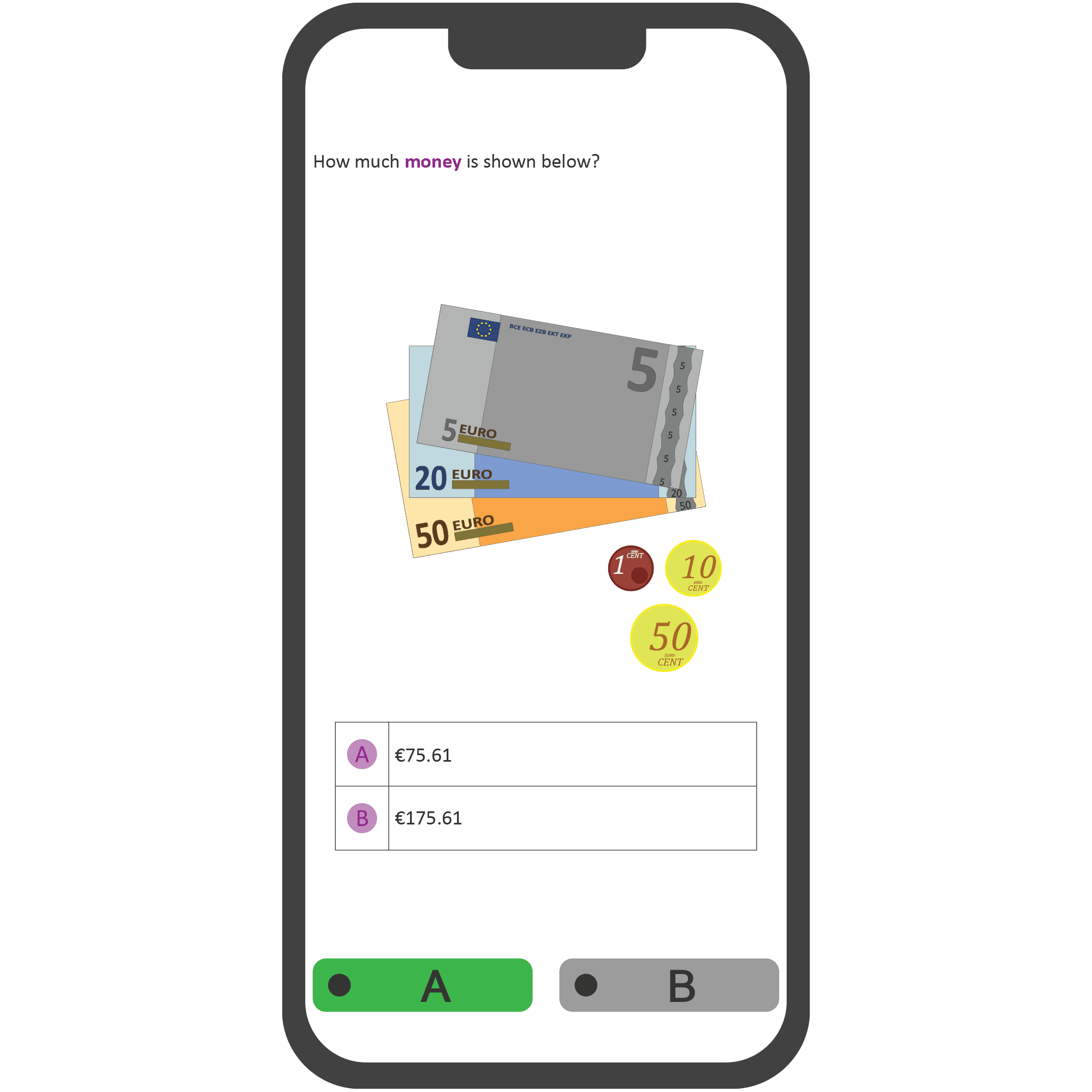
Counting money Phlows ground mathematical thinking in familiar, real-world contexts. Students interpret collections of notes and coins, combining values to determine totals.
By presenting money visually rather than symbolically, these Phlows strengthen number sense and estimation skills while keeping the task intuitive and accessible.
Pattern Recognition Phlows
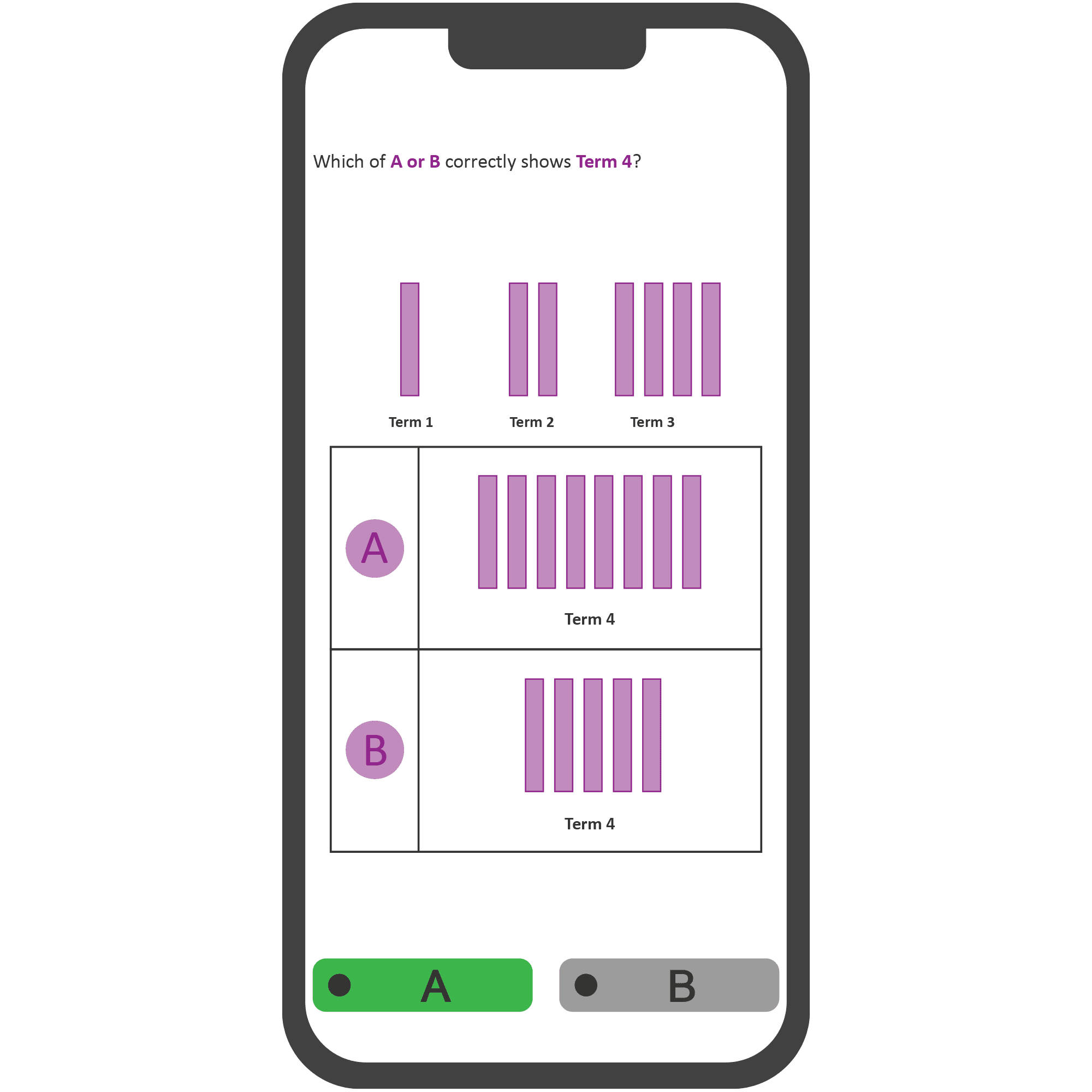
Patterns are a bridge between arithmetic and algebra. Pattern recognition Phlows encourage students to observe structure, anticipate growth, and reason about sequences visually.
Rather than relying solely on numbers, these Phlows use shapes or repeated elements to make structure explicit. This supports deeper understanding of terms, rules, and generalisation.
Survey & Data Collection Phlows
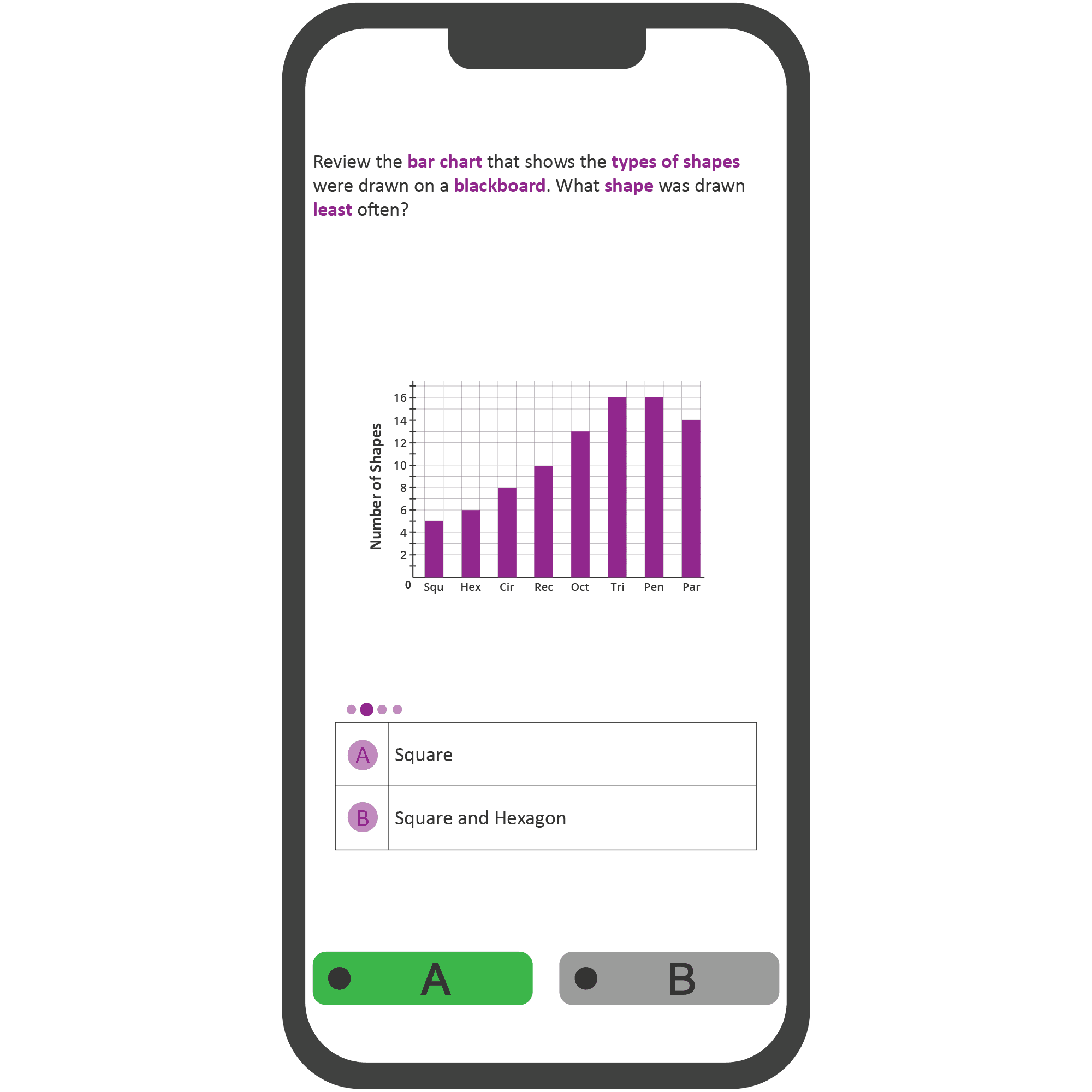
Survey Phlows present students with collected data and ask them to interpret results, identify trends, and make comparisons. These tasks emphasise reasoning from evidence rather than computation.
By framing data within a clear question context, students learn to extract meaning rather than simply read values. This supports statistical literacy and careful interpretation.
Handwriting-Style & Constructive Phlows
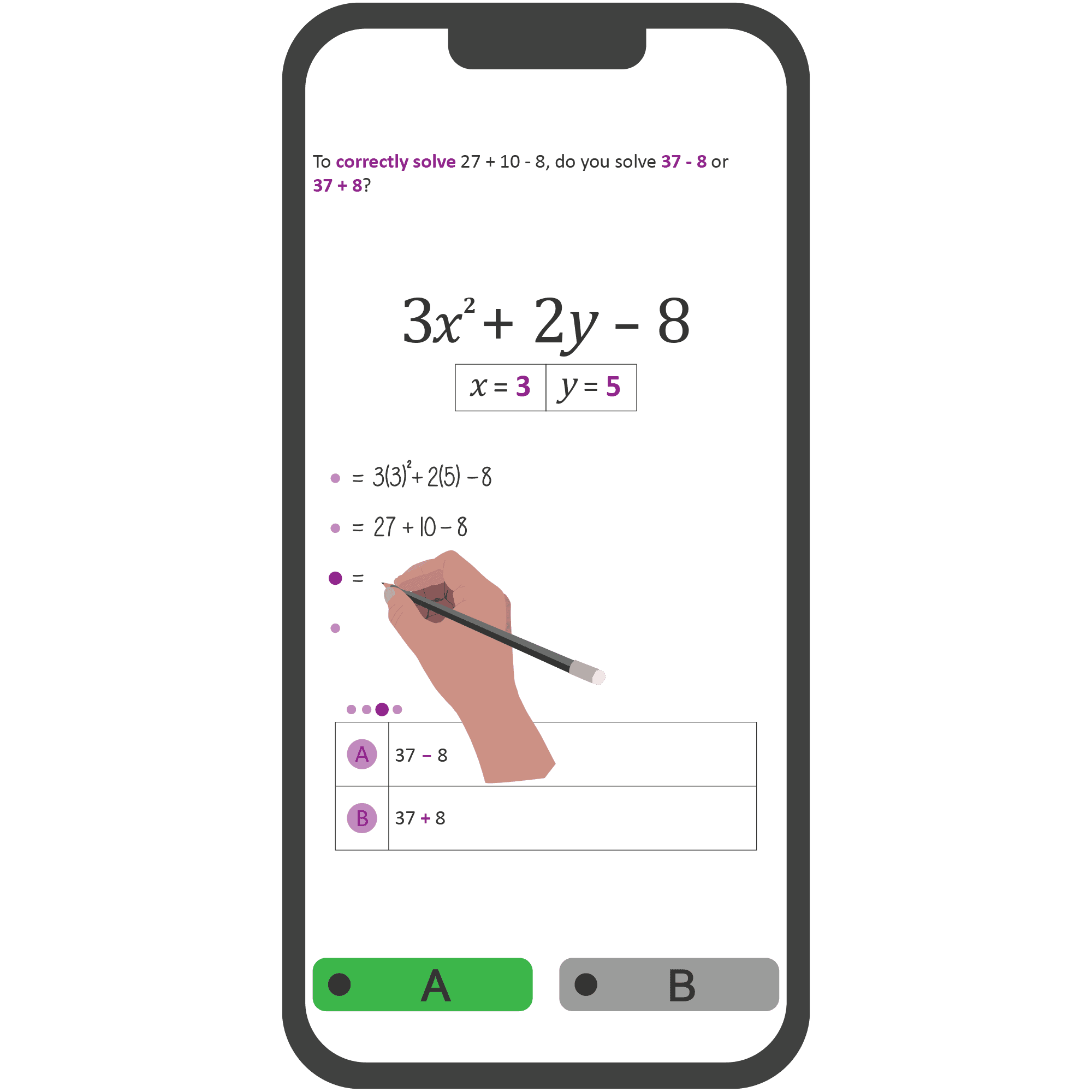
Some ideas are best understood when learners can see how thinking unfolds step by step. In handwriting-style Phlows, students are shown simulated handwritten working on screen, mirroring how a solution would be written out on paper.
Rather than asking learners to write themselves, these Phlows help students visualise structure, sequencing, and mathematical reasoning in a familiar, human format. This supports sense-making and reduces cognitive load, especially for multi-step problems.
This approach directly inspired Learn AR — a research initiative exploring whether Phlow Academy can extend beyond screens into an augmented reality, pen-on-paper learning experience, where physical writing and adaptive digital feedback converge.